
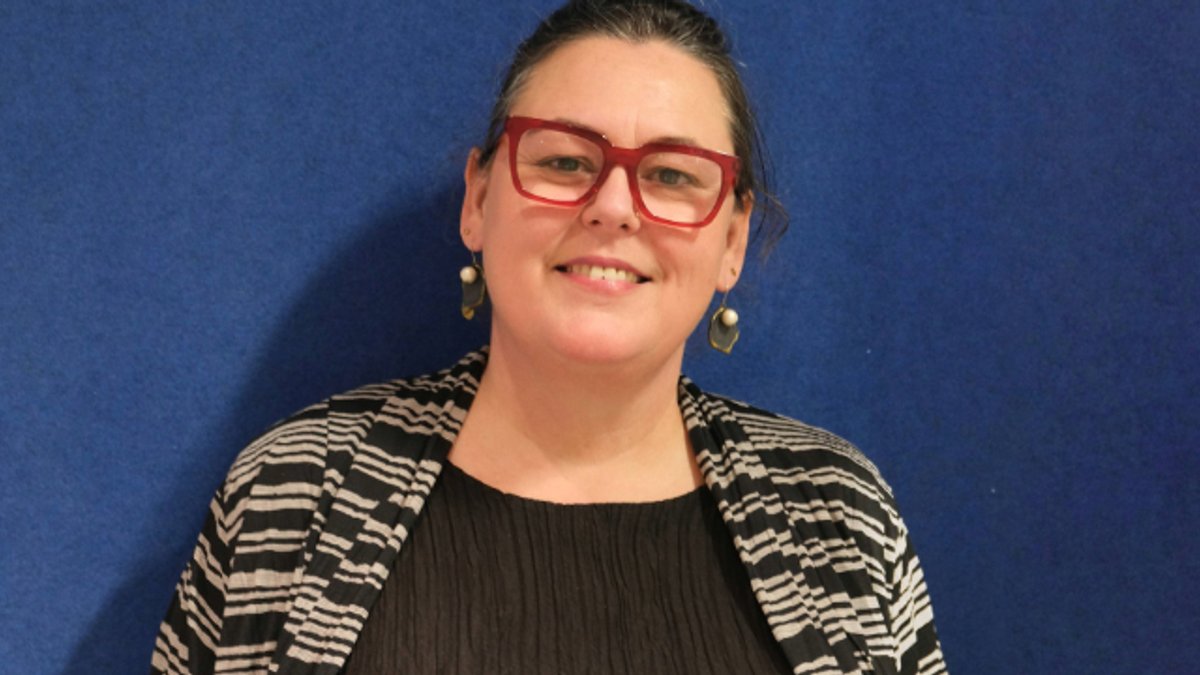
New South Wales Small Business Month has launched, and to mark the occasion, NSW Small Business Commissioner Kalina Koloff has released a report that challenges stereotypes about the state’s 873,000 small businesses. The research looks into the sector’s growth and increasing diversity.
The report reveals that almost two-thirds (63 per cent) of NSW small businesses now operate with fewer than four employees, up from around 57 per cent five years ago. Between 2024 and 2025, the number of microbusinesses grew by 4.3 per cent, almost twice the rate of overall business growth.
Microbusinesses on the Rise
Technology and flexible working arrangements are making it easier for people to build viable businesses without large workforces or physical premises. Kalina Koloff says, “The rise of the microbusiness is one of the biggest structural shifts we’ve seen in the NSW small-business sector,”
Digital, specialised, and agile microbusinesses are becoming the engine room of NSW’s small-business sector. The Commissioner points out that more businesses are now built around one person’s skills and expertise, often running from a home office, shared workspace, or even the back of a ute.
The NSW economy has become more service-based and knowledge-intensive, with the number of small businesses in professional, scientific, and technical services growing by almost 44,000 since 2008. This sector is now the second-largest small business industry in NSW, after construction.
AI Adoption on the Increase
Almost half (47 per cent) of NSW small businesses are now using AI tools, with more than one in four using them regularly. Around 40 per cent of tradies, retailers, and hospitality businesses are using AI, while 68 per cent of knowledge-based businesses are adopting the technology.
Small-business owners are using AI to save time, improve productivity, and compete more effectively in changing markets. Kalina Koloff asserts, “It’s here, and it goes well beyond professional services.”
Read Also: AI Divide Grows Among Queensland Small Businesses
The Commissioner notes that small businesses can often adopt new technology faster than large organisations because they can experiment and pivot quickly. As AI tools become part of everyday operations, new ways of utilising the technology will continue to emerge.
For instance, Ben Wilford, a builder in Milton, uses a licensed AI tool to research Australian Standards and check product specifications. Meanwhile, Danielle Haase invested in AI-powered security camera technology at her business, Diesel & Blue Doggy Day Care, which enabled her to offer overnight boarding and opened a new revenue stream.
Geographic Expansion
More than half (57 per cent) of NSW small businesses now sell beyond their local area. In detail, 23 per cent serve customers across the state, 21 per cent nationally and 3 per cent internationally.
Seasoned Entrepreneurs Drive Growth
Experienced founders are reshaping the small-business sector. Professionals transitioning from long careers bring deep sector knowledge to new ventures.
These entrepreneurs prioritize autonomy and purpose rather than rapid scaling. Their businesses often reflect personal passions and address gaps they observed in previous roles.
Kalina Koloff says, “The image of the 20-something start-up founder doesn’t match the numbers,”
Many second-act founders focus on independence, flexibility and purpose over rapid growth, building sustainable businesses aligned with their skills and interests.


