
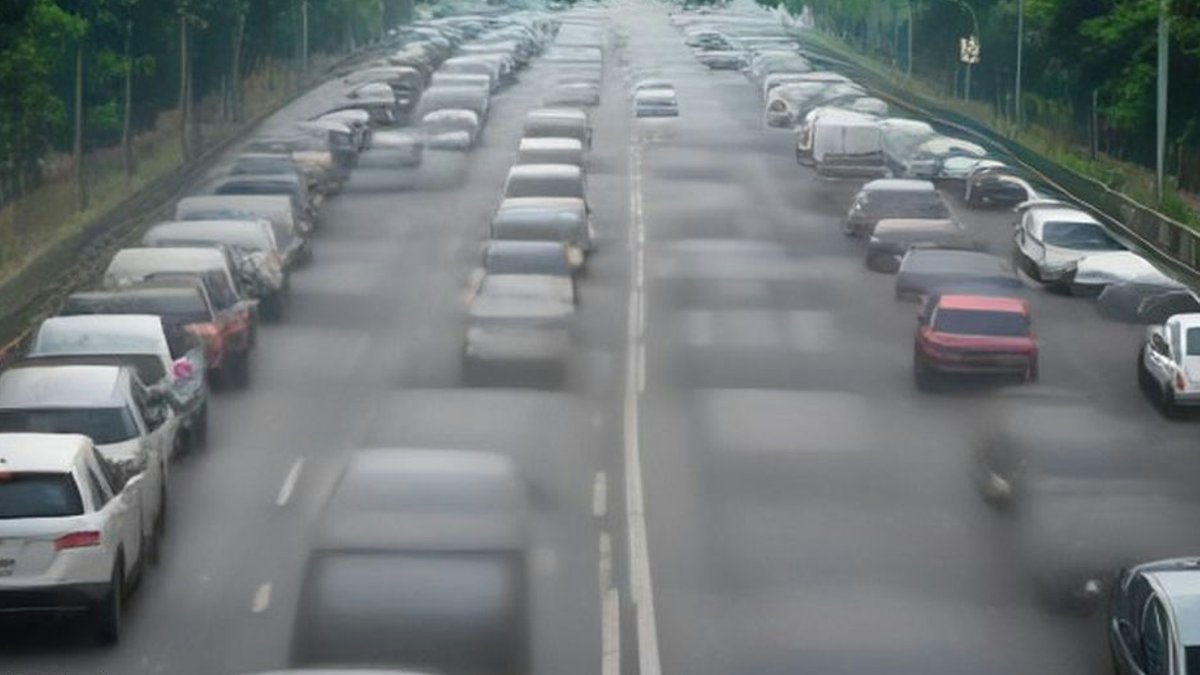
A viral social media post by former marketing director Harish Gupta is prompting Bengaluru commuters to rethink the financial impact of their daily gridlock. Gupta’s post highlights the staggering cost of a routine 10-kilometer office commute over a lifetime. He frames the issue as a hidden expense, noting that while no bill is sent, commuters pay daily through lost time and opportunities, a perspective that resonates deeply in a city known for its traffic woes.
The ₹80 lakh commute calculation
Gupta’s breakdown reveals a surprising toll. He spends 45 minutes each way in traffic, totaling 1.5 hours daily. Over a 35-year career, this adds up to 15,750 hours—nearly six years of full working days. Valued against an average software engineer’s salary, this time loss equates to roughly ₹80 lakh. Gupta’s calculation is based on 300 working days per year, resulting in an annual toll of 450 hours, a figure that starkly illustrates the cumulative impact of daily delays. He emphasizes that this time, if redirected, could significantly alter one’s financial trajectory.
Read Also: Delhi air quality turns hazardous
Gupta admits he initially dismissed his commute as an inevitable part of city life, a sentiment shared by many urban professionals. However, calculating the cumulative cost shifted his perspective. He describes the realization as a wake-up call, urging others to recognize the silent drain on their resources. “Nobody sends us a bill for it, so it never feels like a cost. But we pay it every single day,” he wrote, highlighting the invisible nature of this expense.
Netizens react with mixed views
Gupta’s post sparked online debate, with many sharing their own grueling commute stories. One user detailed a 15-kilometer ride taking 1.15 to 1.30 hours one way, even on good days, and longer during peak traffic. Another commenter argued that the ₹80 lakh estimate underrepresents the true cost, as time lost to traffic could have been invested in upskilling or side ventures. “Take just half of those 450 annual hours and put them into building equity, mastering AI workflows, or consulting on the side. Over 35 years, the real opportunity cost isn’t a lost salary—it’s generational wealth,” the user wrote, showing the long-term implications of such time allocation.
Read Also: Odisha schools shut as Cyclone Avkan weakens
Critics countered that framing commute time as lost wages is misleading, as those hours wouldn’t have been paid anyway. They suggested the real loss lies in what traffic displaces, such as sleep, family time, and learning. Another user pointed out that while Bengaluru’s infrastructure needs improvement, commute choices also involve trade-offs between career, compensation, family, and convenience. “Traffic is an infrastructure problem. Commute is also a life choice. Both can be true at the same time,” the comment read, reflecting the complexity of the issue.
He leaves readers with a thought-provoking question: “How long is your commute? And what would you do with those 6 years back?” By reframing the commute as a significant life expense, Gupta hopes to inspire more mindful decisions about time and resource management.


