
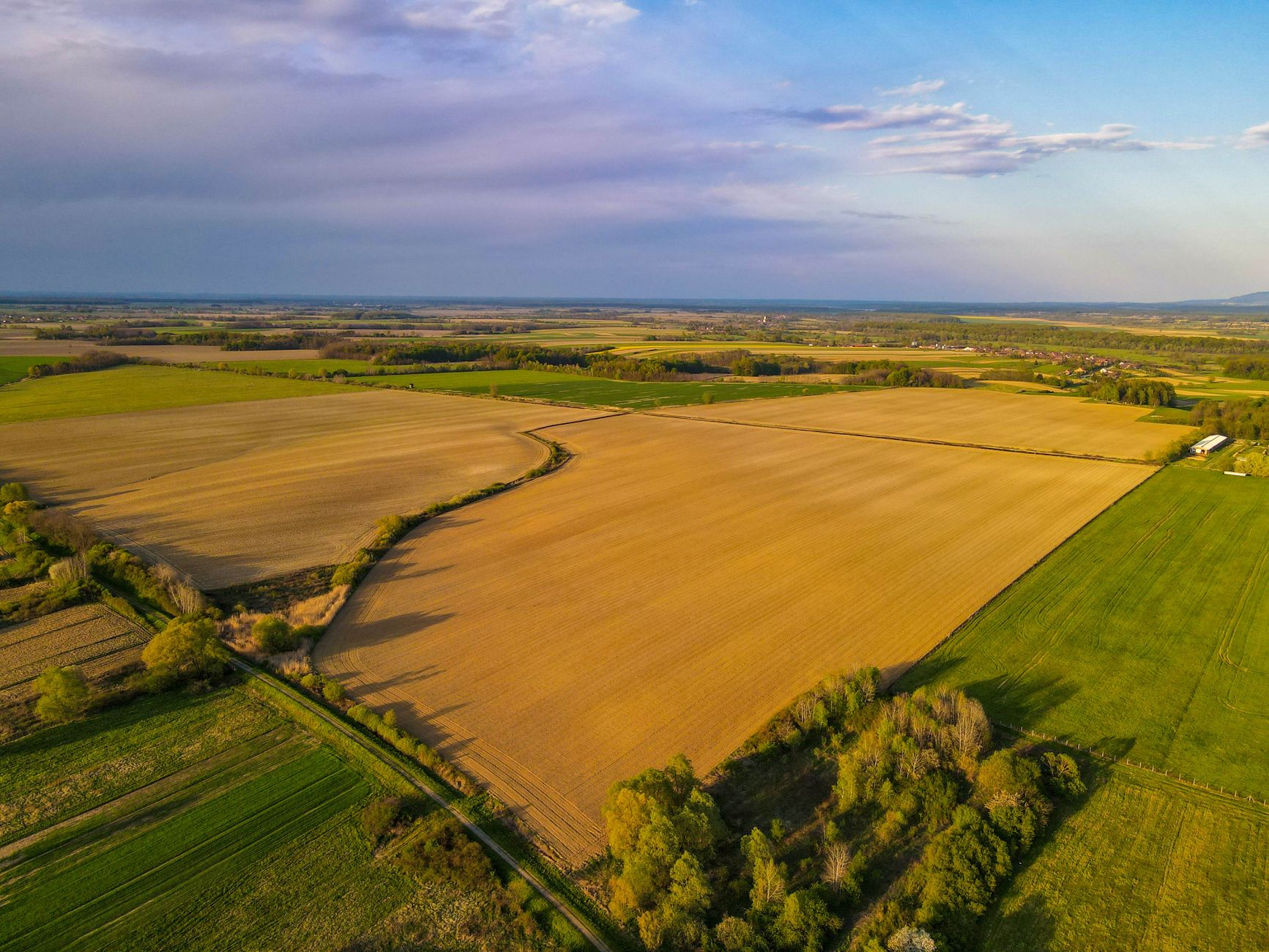
If you own undeveloped land in Illinois and want to sell land fast, you’re likely seeking a solution that’s efficient, transparent, and reliable. Vacant parcels often don’t attract the same buyer attention as houses or developed real estate, and holding onto them means ongoing taxes, maintenance, and liability risks. Fortunately, there is a path to convert that land into cash more quickly than you might expect. In this guide, we’ll walk through how to sell land fast in Illinois, what to expect, and how to get a deal that works for you.
Why Many Landowners Want to Sell Land Fast
Before diving into the process, let’s review why landowners often prefer speed over a drawn-out sale:
- Carrying costs. Even raw land comes with property taxes, assessments, possible liabilities, and insurance in some cases. Holding long term can chip away at your profit.
- Opportunity cost. Liquid cash may be needed for investments, paying off debts, or moving on to a new venture.
- Lack of buyer interest. Raw acreage, remote or without utilities, has a smaller pool of buyers. Marketing such land can take months or years.
- Unpredictability. Deals can fall apart due to financing, inspections, or buyer hesitation. Speed gives you more certainty.
- Prefer simplicity. Many landowners want to avoid showings, negotiations, staging, or hassles—preferring a clean, direct exit.
Because of these reasons, many owners seek a method to sell land fast—especially in states like Illinois, where land buyers exist that focus on cash acquisitions of raw property.
What “Selling Land Fast” Typically Looks Like in Illinois
A faster land sale process often involves a buyer already prepared with liquid funds, experience in land acquisitions, and streamlined due diligence. Here’s a rough outline of how that process usually works in Illinois:
- Submit Basic Property Information. You share the location, parcel size, legal description, condition, road access, utility access (if any), and tax status.
- Preliminary Evaluation. The buyer checks comparable land sales, assesses access, examines any known encumbrances, and estimates your land’s fair value.
- Offer Presentation. You receive a cash offer—sometimes within days—that includes deductions for title work, closing costs, or any risk factors.
- Due Diligence & Title Work. Once you accept, the buyer completes title searches, confirms boundary lines, and checks for liens or environmental concerns.
- Closing & Payment. The buyer handles closing paperwork, recording of the deed, and you receive your funds on closing day.
This path is much more direct than listing with an agent, managing showings, dealing with offers and contingencies, and waiting indefinitely for a buyer to be qualified.
Things to Watch for When You Want to Sell Land Fast in Illinois
To protect your interests and maximize your outcome, keep these key considerations in mind:
- Access & Easements. Land without legal road frontage or established easements can be more difficult to sell or may reduce its value.
- Topography & Usability. Steep slopes, wetlands, flood zones, or rocky terrain can limit use and make some buyers wary.
- Utility Availability. Parcels lacking access to utilities (electric, water, sewer) are less attractive unless priced accordingly.
- Taxes, Liens & Special Assessments. Ensure you disclose any back taxes or assessments; buyers will deduct these or require resolution before closing.
- Local Zoning & Regulation. Each Illinois county and township governs zoning, building codes, floodplain rules, and environmental requirements.
- Mineral / Subsurface Rights. Determine whether your deed includes mineral or subsurface rights—or if they were severed.
- As-Is Purchases. Many cash buyers purchase land “as is” — you won’t need to clear debris or make improvements, but that usually means the offer already factors some risk.
A sophisticated buyer will examine all of these, anticipate challenges, and structure their offer accordingly.
How to Prepare to Sell Land Fast
If your goal is speed, your best strategy is preparation. Here are steps to help ensure your transaction is efficient:
- Gather documentation. Include the deed, surveys, tax statements, legal descriptions, and any past appraisals or titles you have.
- Clarify boundaries. Identify parcel lines, adjacent neighbors, fences, or access points. If there are shared roads or easements, note them.
- Disclose issues. Be upfront about floodplain status, known environmental issues, liens, prior boundary disputes, or poor soil/drainage.
- Take photos or maps. Provide aerial views, on-the-ground images, or topographic maps to help the buyer assess remote or inaccessible land.
- Get a few market comparables. Find recent sales of nearby vacant land to justify your expectations and understand local values.
- Identify your timeline. Decide how soon you need funds, how long you’ll wait for an offer, or what minimum you require.
With this prep, you’ll make it easier for buyers to act fast—and you’ll be in better position to negotiate.
Choosing the Right Buyer for Speed & Fairness
Just because a buyer offers speed doesn’t mean you should accept any offer blindly. Here’s how to pick wisely when your aim is to sell land fast:
- Proven track record. Look for buyers who specialize in land, especially in Illinois, and who have successfully closed many deals.
- Transparent offers. Demand an itemized breakdown of how they evaluated your land and any deductions.
- Firm timeline. Choose buyers who commit to a closing date rather than vague promises.
- Cost responsibility. Prefer buyers who cover title, closing fees, and recording costs rather than shifting them to you.
- No hidden contingencies. Avoid offers laced with uncertain or vague conditions that allow the buyer to walk away.
- Proof of funds. Ask to see that the buyer has cash or strong financing to back their offer.
- Local knowledge. Buyers who understand Illinois market conditions—from county to county—are in a better position to evaluate and close quickly.
With the right buyer, you reduce risk and increase your chance of a successful, fast sale.
Example: How a Fast Sale Might Work in Illinois
Let’s walk through a hypothetical scenario:
You own 25 acres of rural land in Illinois, remote, with limited or no utilities, and you live out of state. You want to sell land fast because you don’t want to handle ongoing taxes and maintenance.
You find a direct land buyer and submit property info: parcel number, county, acreage, any mapping files, info about access and condition, and tax history. Within 48 hours, you receive a cash offer with a clear breakdown. After a brief conversation, you accept. The buyer conducts due diligence—title search, boundary confirmation, and environmental check. Because the buyer is experienced in Illinois land deals, they already factor in typical risks. When everything is cleared, closing is scheduled. You sign closing documents via mobile notary or at escrow. Funds are wired on closing day. Within a week or two, your land has sold—fast, clean, and without the months or years a typical listing might require.
That’s how a well-positioned, well-prepared landowner can achieve a truly fast land sale in Illinois.
Potential Pitfalls and How to Guard Against Them
Even with the goal of speed, you must watch for issues that could derail your sale:
- Lowball offers. Some buyers assume sellers rush and thus may propose less than fair value.
- Unclear conditions. Watch for language that lets the buyer withdraw at will.
- Title defects. If issues arise late, you could be held responsible unless contracts are explicit.
- Delayed payments. Ensure funds delivery and closing timing are guaranteed in writing.
- Hidden deductions. Deductions for surveys, repairs, or environmental work should be transparent.
If any offer feels murky or if terms are vague, ask for clarification or pursue other buyers.
Final Thoughts: Turning Unused Land into Cash Quickly
Selling land fast in Illinois isn’t always easy, but it’s entirely possible with the right approach. What separates a frustrating, drawn-out sale from a smooth transaction is preparation, transparency, and selecting the right partner. A serious buyer with ready cash, local market knowledge, and experience buying raw acreage can dramatically shorten the timeline—turning what might otherwise be a multi-month ordeal into a quick, clean transaction.
If you’re ready to sell your Illinois land fast, begin by preparing your documents, gathering clear property information, and reaching out to credible, experienced land buyers. Ask for multiple offers, request clear breakdowns, and insist on timelines and commitments. Demand transparency. With those steps, you’ll position your land not just as a passive asset, but as liquidity you can unlock.


