
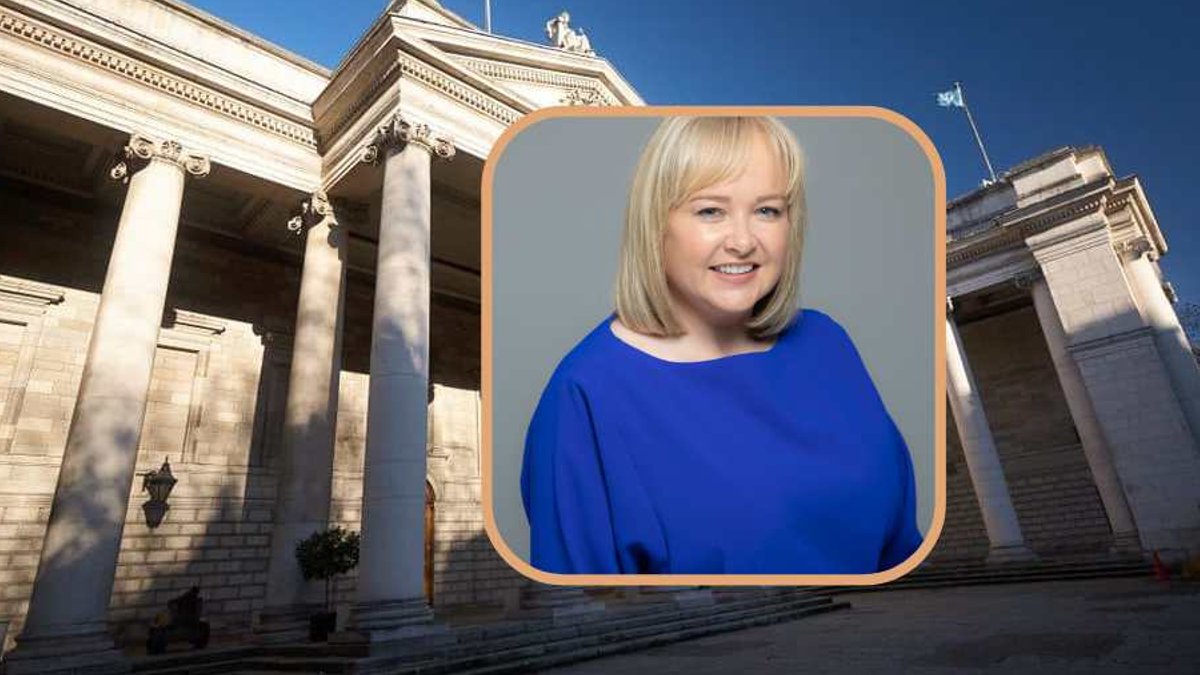
June Butler, head of Corporate and SME Banking at Bank of Ireland, states that Ireland’s businesses must decide whether to view sustainability as an expense or as a growth opportunity. Speaking before the upcoming Dargan Forum in Dublin, she identifies execution—not ambition—as the primary obstacle. Although most businesses acknowledge the importance of sustainable practices, fewer than one-third of Irish SMEs have formal plans in place. Many delay action due to concerns over costs, uncertain returns, or uncertainty about where to begin.
Economic pressures are widening the gap between recognizing the need for sustainability and taking action. Rising costs and shrinking profit margins force many businesses to deprioritize sustainability investments, even when they could generate long-term savings. Butler highlights a straightforward solution: simplifying adoption. Bank of Ireland has introduced financial tools, including its Green Business Loans, which help companies fund energy-efficient upgrades or renewable technology while reducing operating expenses.
Funding alone does not address the broader challenge, Butler notes. Many SMEs require clearer guidance on implementing changes. The bank’s Sustainable Business Coach tool breaks down complex strategies into actionable steps, aiming to shift sustainability from a secondary concern to a core business priority. This approach improves efficiency, lowers costs, and attracts new customers.
Redefining resilience for Ireland’s future
Butler’s perspective aligns with a broader redefinition of economic resilience in Ireland. Traditionally, resilience has focused on risk management—preparing for disruptions like supply chain failures or economic downturns. She argues this approach is too limited. Instead, Ireland should actively position itself to benefit from change rather than merely enduring it. The country’s strengths in digital infrastructure, investment attraction, and a high density of SMEs provide a solid foundation. However, growth demands targeted investments in future-ready infrastructure, particularly in digital connectivity and energy, while ensuring regional businesses, not just urban centers, can remain competitive.
The dual transitions toward green and digital economies risk leaving some businesses behind. Smaller enterprises, those outside major cities, and traditional industries face higher costs and greater uncertainty. Without intervention, these groups could fall further behind as others accelerate. Butler stresses that the solution requires focused support, beyond funding, it includes practical advice and skills development to help businesses adapt. The goal is to ensure economic benefits from these transitions are widely shared, not concentrated in high-growth sectors.
Bank of Ireland’s strategy involves three key actions: supplying the capital businesses need, providing expertise for complex decisions, and preventing regional economies from being left behind. Through initiatives like the SBCI Growth and Sustainability Loan Scheme, the bank expands funding access for SMEs. The true test, Butler suggests, is whether these efforts can transform sustainability from an aspiration into a measurable advantage, one that not only withstands economic shifts but actively drives them.
Why ambition still lags behind action
The Dargan Forum, taking place June 24–25 in Dun Laoghaire, will gather national and international experts to discuss climate action, technological change, and economic uncertainty. Butler’s participation demonstrates Bank of Ireland’s commitment to aligning financial services with Ireland’s evolving priorities. Over two days, the event will explore how businesses can integrate sustainability without compromising competitiveness, especially as global regulations tighten and consumer demand shifts toward eco-friendly products.
Related Post: Ireland’s hotels thrive on higher rates despite stable occupancy
The most significant challenge, according to Butler, is the disconnect between ambition and action. Larger companies may have dedicated sustainability teams, but SMEs often lack the resources to research grants, evaluate returns, or integrate new practices into daily operations. The Sustainable Business Coach, developed with the Environmental Protection Agency, addresses this gap by offering step-by-step assessments.
Even with tools and funding, some industries remain cautious. Traditional sectors like construction or textiles, where profit margins are tight and supply chains are global, often view sustainability as an additional cost rather than a strategic opportunity. The forum will assess whether Ireland’s current policies, such as the Climate Action Plan’s sector-specific emissions targets, offer enough clarity for businesses to plan beyond 2030.
Bank of Ireland’s involvement in the SBCI Growth and Sustainability Loan Scheme reflects its focus on reducing regional disparities. Since its launch in 2022, the scheme has approved over €1.2 billion in loans, with one-third allocated to businesses outside Dublin. However, adoption rates vary significantly by region.
Regional gaps and how to close them
To address these differences, the bank has partnered with local development agencies to host workshops demonstrating how loans can be combined with government grants. A recent session in Waterford helped 12 SMEs secure a total of €800,000 in combined funding after learning how to bundle retrofitting costs with tax incentives. Butler emphasizes that these partnerships are essential: Businesses need more than funding; they require guidance through the process, explanations of technical details, and clear evidence of the financial benefits.
The forum will also explore how Ireland’s high concentration of SMEs, one of the highest in Europe, can accelerate change. Unlike larger corporations, which may adopt sustainability for public relations or investor relations, smaller businesses often implement green practices to retain employees or meet customer expectations. Butler argues that scaling these grassroots efforts requires simplifying bureaucratic processes, such as streamlining loan approvals for projects under €500,000.
The final session will focus on tracking progress. Bank of Ireland plans to begin measuring the carbon footprint of its SME clients by 2025, using data from loan-funded projects. This initiative aligns with the bank’s broader objective of making sustainability tangible, not just a theoretical benefit, but a concrete outcome linked to financial performance. The data will be shared annually with participating businesses, alongside benchmarks for energy savings and cost reductions.


