
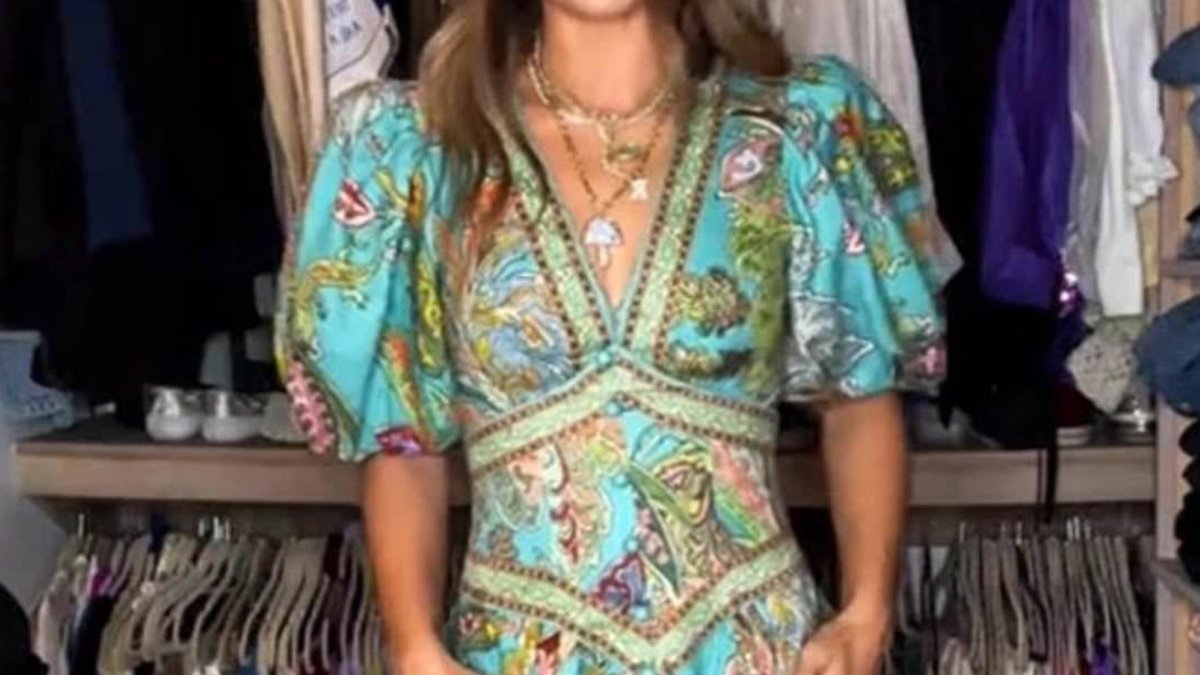
Shopping for an elegant event dress online often feels like a gamble. For many middle-class women, brands like Norbury of London and Avery Lane appear to be the perfect choice. They offer polished imagery, affordable prices, and the promise of British style. But a recent investigation into these websites reveals a very different reality for unsuspecting customers. These businesses are often sophisticated operations using artificial intelligence to deceive shoppers into buying poor-quality goods.
Suzanne Wingrove, 66, a retired HR adviser from Eastbourne, ordered a champagne-coloured dress from Norbury of London for a wedding in April. The site promised 50 percent off, hassle-free returns, and delivery within five to eight days. The listing featured pictures of elegantly dressed women, creating the impression of a prestigious local boutique. According to Suzanne, the promise of Royal Mail delivery seemed like a seal of legitimacy.
Three weeks later, the package arrived. The material was thin, the sleeves were short butterfly wings, and the dress was a wraparound style with a large front flap. There were no labels, and the stitching was poor. “It wasn’t what I ordered,” she said. Norbury of London was not a British retailer at all. The investigation found it was one of many websites generated using artificial intelligence to trick customers into believing they were shopping at a legitimate store. The clothes were actually shipped from China, often with little resemblance to the advertisements.
Related: 22-Year-Old Gets Full Mortgage Outpaces Peers
When Suzanne attempted to return the dress, she was told to pay £25 to send it back to China. The package has been held in customs ever since, and the website has since vanished. “I’d been had. I was angry. I feel stupid,” the widow said. She is far from alone in this experience. Three in five Britons are now more concerned about AI-generated scams than they were a year ago, according to the cyber-security firm McAfee. Vix Leyton, a consumer finance expert from Sheffield, found herself in a similar situation this summer. She bought a £100 dress from Ayla and Ash London, enticed by a heartwarming story about two sisters forced to sell their stock.
The scam sites use AI to create convincing, albeit fake, customer reviews and “sob stories” designed to appeal to emotions. Once a customer pays, they often receive a product that bears no resemblance to the photo. Vix performed a reverse Google image search on her dress and discovered it appeared on at least ten other “tiny, boutique sites” with different names. While she considered herself “scam safe,” even experts are vulnerable to these tactics.
The deception goes beyond the product. Jonathan Frost, global advisory director at cyber-security company BioCatch, analyzed the website Avery Lane Brighton. He noted that the images of a mother and daughter baking a cake are likely generated by software called Generative Adversarial Network. Signs of AI manipulation include a floating clothes rail and a whisk that looks physically incoherent. A simple test for consumers is to upload a suspicious image into an AI chatbot and ask for its verdict.
Related: Pernod Ricard sales dip as demand wanes
Even the contact details are often fabricated. The Brighton address listed on Avery Lane’s website points to a hotel, and the phone number ends in ‘123456’. The company is not registered on Companies House, and the merchant name is a private Hong Kong entity. These websites are designed to be “thrown away and replaced” the moment they are reported, making them difficult for law enforcement to track down.
While the police can struggle to prosecute these operations due to jurisdictional issues, consumer rights experts suggest that a chargeback claim is often the most effective remedy. Banks may be able to reverse the payment if the trader is found to be in breach of contract, particularly if the return address was not clearly disclosed. However, victims typically lose the money spent on return shipping, a cost the sellers never bear.


