
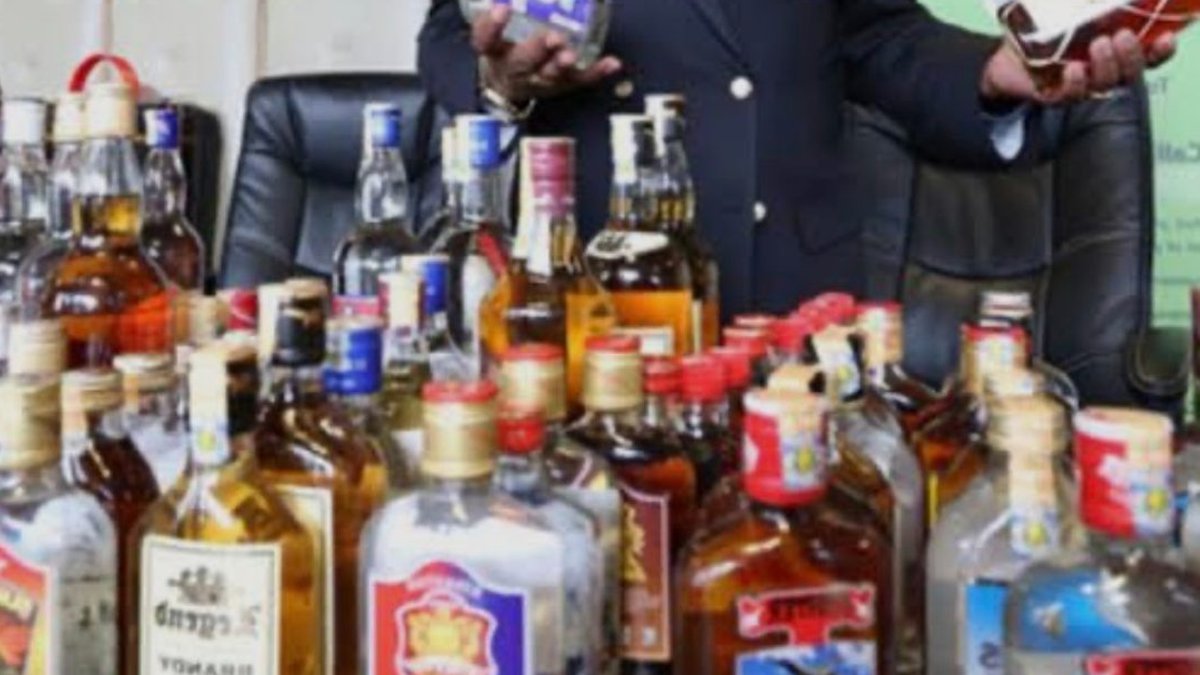
Kenya’s counterfeit alcohol market has reached crisis levels, with illicit drinks now making up 60% of all alcohol consumed in the country. Most Kenyans, whether by choice or lack of awareness, drink unregulated products that carry serious health risks. Public health advocates now call this an emergency requiring immediate government action.
Industry Blames Government for Inaction
The Alcoholic Beverages Association of Kenya (ABAK), which represents the country’s largest alcohol manufacturers, has directly accused the Ruto administration of failing to address the issue. Kui Kinyanjui, chairperson of ABAK, stated that weak enforcement and unchecked supply chains allow criminals to exploit the system while endangering lives. The association reported a surge in alcohol-related illnesses, describing the situation as unprecedented.
Critics point to the Kenya Bureau of Standards (KEBS) as the primary reason for the problem’s severity. The agency, responsible for ensuring product safety, lacks the capacity to monitor the scale of the issue. In the 2024/25 financial year, KEBS tested only 69 potable spirit products—all compliant—yet thousands of brands circulate without oversight. Many “second-generation” alcoholic drinks bypass mandatory KEBS testing entirely, often featuring falsified ethanol content, forged excise stamps, and fabricated batch numbers with minimal pre-market scrutiny.
Read Also: Gachagua to build Ngeno mausoleum
The economic toll is severe. The Anti-Counterfeit Authority estimates the illegal alcohol market costs Kenya Sh71 billion annually, while the Kenya Revenue Authority puts lost tax revenue at Sh80 billion per year. A 2025 Euromonitor International study, commissioned by ABAK, valued the shadow alcohol market at roughly Sh203 billion and estimated fiscal losses at about Sh120 billion. These figures highlight a thriving black market that harms both public health and government finances.
Seizures Fail to Stem the Flow
Since a nationwide crackdown launched in December 2025, authorities have seized more than 2.8 million litres of illicit alcohol and arrested over 900 suspects. In Nairobi alone, seizures of illicit alcohol, counterfeit bottles and fake excise stamps totalled Sh790 million in the 2025/26 financial year, while Rift Valley seizures topped 870,000 litres. Despite these efforts, ABAK notes that illegal products continue to dominate significant portions of the market, indicating seizures alone are insufficient to disrupt the trade.
KEBS has faced further criticism after Rwanda briefly suspended imports of over 50 alcoholic products, including five Kenyan brands, in August 2026. The move followed safety concerns, though KEBS later confirmed the brands had passed inspection. Meanwhile, following a UK travel advisory over methanol poisoning risks in Kenya, KEBS moved to reassure the public that all methanol in the country is denatured to make it undrinkable. The agency has, however, remained silent on key issues, including testing failures, prosecution rates, and its broader response plan.
Read Also: Kenya Lakes Near Merger Amid Flood Fears
For an agency at the center of a public health crisis, this silence does little to reassure an increasingly concerned public. The counterfeit alcohol trade reflects a systemic failure, where weak enforcement, cross-border loopholes, and a lack of transparency allow dangerous products to flood the market with little accountability.
Regional and Global Implications
The counterfeit alcohol problem extends beyond Kenya’s borders, posing regional and global risks. The Sh203 billion shadow market does not only drain government revenue but also creates an economy where safety standards are ignored. When neighboring countries like Rwanda intervene, it signals that Kenya’s reputation is under threat. The UK travel advisory further complicates matters, as tourism, already a critical sector, faces additional scrutiny.
The core issue remains whether KEBS can transition from reactive seizures to proactive enforcement. Testing 69 products in a year while thousands of unregulated brands circulate fails consumers and undermines the law. Without stronger pre-market controls, better cross-border coordination, and real accountability for those selling fake products, the crisis will worsen. For now, Kenyans continue to drink, and the risks remain high.


