
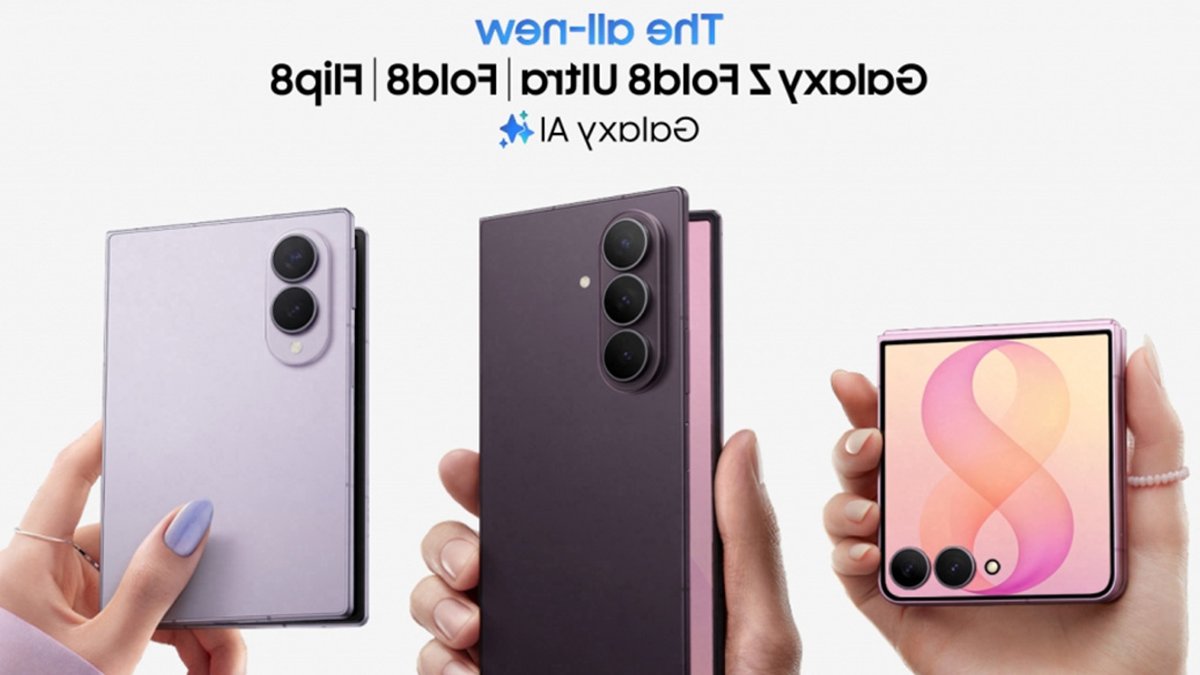
The global smartphone market has reached a stage of maturity where brands do not need to find compelling reasons to convince consumers to change or upgrade. Foldables and flip phones are increasingly viewed as the industry’s next major growth driver. Samsung, which currently leads the global foldable smartphone market, is looking to stay in front with the latest iteration of its Galaxy Z series.
The foldable smartphone market was valued at US$13.5 billion in 2025. It is projected to reach US$17.0 billion by the end of 2026. According to research firm Future Market Insights Inc., the sector is expected to grow at a compound annual growth rate (CAGR) of 26.2% between 2026 and 2036, reaching US$174.6 billion by 2036.
Market Shifts Toward Flexible Screens
Within the segment, flip-style foldables are forecast to account for 34% of the market. OLED display technology is expected to hold a 38% share. This growth is being driven by consumer demand for larger-screen experiences in a portable form factor. Advances in display technology and durability have made these devices more practical for everyday use.
Improvements in hinge design, crease reduction, and overall reliability have strengthened brand loyalty. This encourages consumers to remain within the same ecosystem when upgrading. Samsung is betting that the next evolution of smartphones lies in a combination of slimmer, more durable hardware and increasingly intelligent AI software.
Related: Johor green corridor to supply power by 2028
User Loyalty Drives New Strategy
Charles Kim, President of Samsung Malaysia Electronics, highlighted the company’s engineering focus. “With the all-new Galaxy Z series, Samsung is applying years of engineering expertise to distinct form factors designed around different user needs and ways of interacting with technology,” Kim said.
Kim pointed to customer retention as a key indicator of success. “Today, we’re seeing strong evidence that foldables are creating lasting value for users,” he stated. “Fold7 achieved a 32% repurchase rate and Flip7 achieved a 37% repurchase rate globally, demonstrating that once consumers adopt foldables, many choose to stay with the category.”
These statistics indicate a shift in consumer behavior where the foldable mechanism itself becomes a selling point rather than a novelty. When users return to the category at rates above 30%, it suggests that the practical utility of having a larger screen that fits in a pocket is outweighing the premium price point. It marks a transition from early adoption to mainstream reliance.
Hardware and Software Integration
The new flagship line-up pairs longer-lasting battery life, improved foldable display technology, and lighter designs with a suite of AI-powered tools. These tools can automate tasks across more than 40 apps and services. Flex Titanium technology reinforces the display structure while making the screen noticeably flatter and the crease less visible.


