
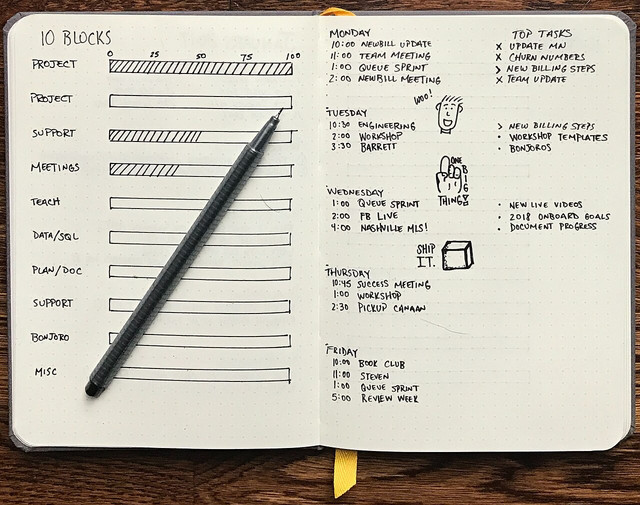
It would be easy to assume journaling is a habit that’s fallen out of relevance. Between messaging apps, social media, and note-taking software that syncs across every device, the idea of sitting down with a physical notebook can feel almost quaint. And yet, journaling hasn’t disappeared — if anything, it’s had a quiet resurgence, precisely because of everything digital life doesn’t offer.
Part of the appeal is friction. Digital tools are built to be fast, searchable, and shareable, which is exactly what makes them useful for logistics and exactly what makes them poor for reflection. Writing by hand forces a slower pace, and that slowness is where most of the actual thinking happens. Typing captures a thought; handwriting tends to develop it, because the pace of the pen gives your mind time to catch up with itself.
There’s also the matter of privacy that isn’t just a setting. A private social account is still, technically, stored on someone else’s server, subject to someone else’s terms of service, and one password leak away from being exposed. A physical journal has none of that architecture. The freedom to write something half-formed, embarrassing, or contradictory — without an audience, an algorithm, or a backup copy — changes what people are willing to put down. Many of the most useful entries are the ones nobody else was ever meant to see.
Journaling also functions as a low-stakes way to track patterns over time that are otherwise invisible day to day. Mood, recurring stressors, what actually made a week good versus just busy — these things are nearly impossible to notice in the moment, but they become obvious in hindsight when you can flip back through a few months of entries. It’s less about the single act of writing and more about what accumulates.
For people who find a blank page intimidating, structure helps more than willpower does. A simple format — three things that happened, one thing you’re avoiding, one thing you’re looking forward to — removes the pressure to write something profound and turns journaling into a five-minute habit instead of a creative project. Consistency matters far more than length; a few honest lines most days beats a long entry once a month.
The practice itself is old enough that its usefulness has already been tested across centuries, long before any of the tools competing for our attention today existed. The diary as a form has survived because it does something no app fully replicates: it gives a thought somewhere to go that isn’t optimized for anyone else’s attention. In a world where almost everything we write is meant to be read by someone, that might be the whole reason it still matters.


