
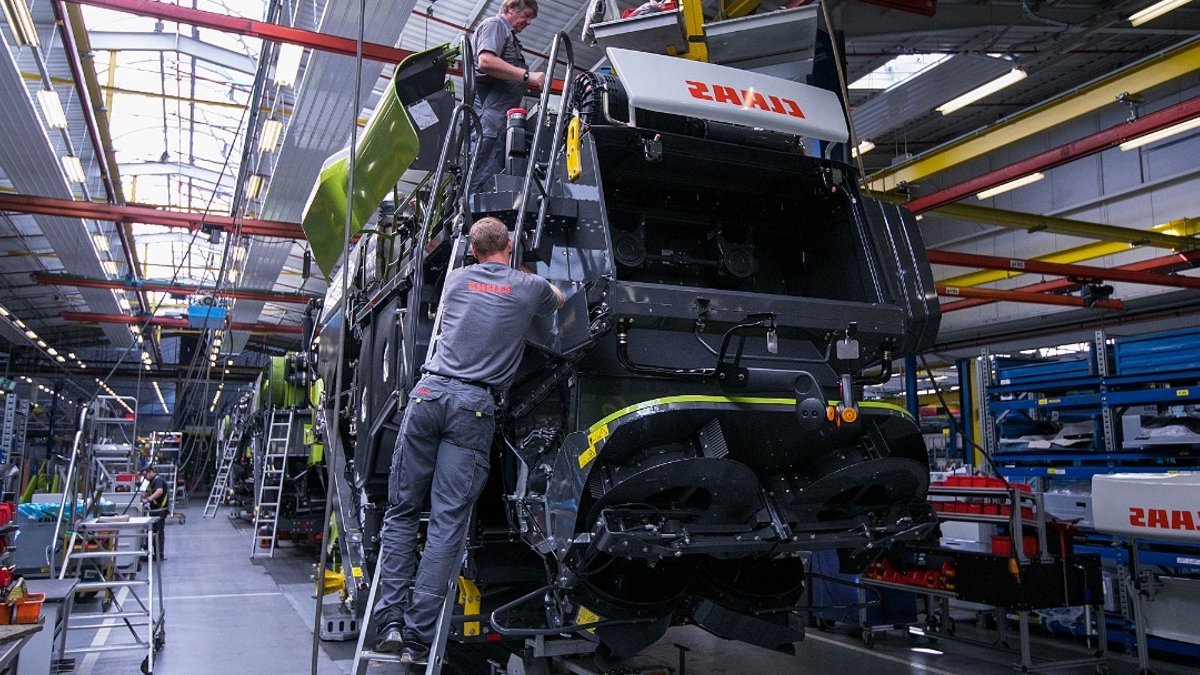
German June factory orders rose by more than analysts forecast, signaling a possible shift in the trajectory of Europe’s largest economy.
Orders climb amid mixed sector performance
According to the federal statistics office, demand for manufactured goods increased 3.1% in June after a modest 0.3% gain in May that had been revised downward. The rise marks the second consecutive month of growth and topped the highest estimate in a Bloomberg poll of economists.
Mechanical engineering products and data‑processing, electronic and optical equipment accounted for most of the increase. The surge stemmed from big‑ticket items, while orders for other categories fell. A three‑month moving average, which smooths volatility, showed a 1.3% improvement.
Broader economic backdrop
Recent German data have painted a generally upbeat picture. The second‑quarter gross domestic product exceeded expectations, and the first‑quarter output figure was revised upward. Business activity surveys and confidence indices have also beat forecasts, buoyed by expansive fiscal spending and a suite of reforms targeting pensions and administrative procedures.
Vincent Stamer, an economist at Commerzbank, said, “The rise in domestic orders is a positive development, as the greatest positive impetus has so far come from the euro area.” He added that the “hard data” suggest the conflict in the Middle East is unsettling German consumers and businesses less than anticipated.
Related: Parkwood plans expansion in next growth phase
Higher energy prices linked to the Middle East turmoil continue to pressure the energy‑intensive manufacturing sector. Record‑low water levels in the Rhine River—a key transport artery for Western Europe—pose logistical challenges.
“New orders in the manufacturing sector are currently trending upwards thanks to strong domestic demand,” the Economy Ministry said in a statement. “Significant growth among capital goods producers is likely related to public procurement projects for the modernisation of the German Armed Forces, as well as contracts under the special fund for infrastructure and climate neutrality.”
Energy prices remain unstable.
Future sustainability of the order surge will depend on several factors. Energy costs remain volatile, and any further escalation in geopolitical tensions could dampen confidence. At the same time, the German government’s infrastructure and defense initiatives may continue to generate demand for capital‑intensive goods.
Analysts will be watching upcoming data releases closely, especially the next set of industrial production figures and consumer confidence surveys. If the current trend holds, the manufacturing sector could solidify its role in underpinning the broader economic recovery.


