
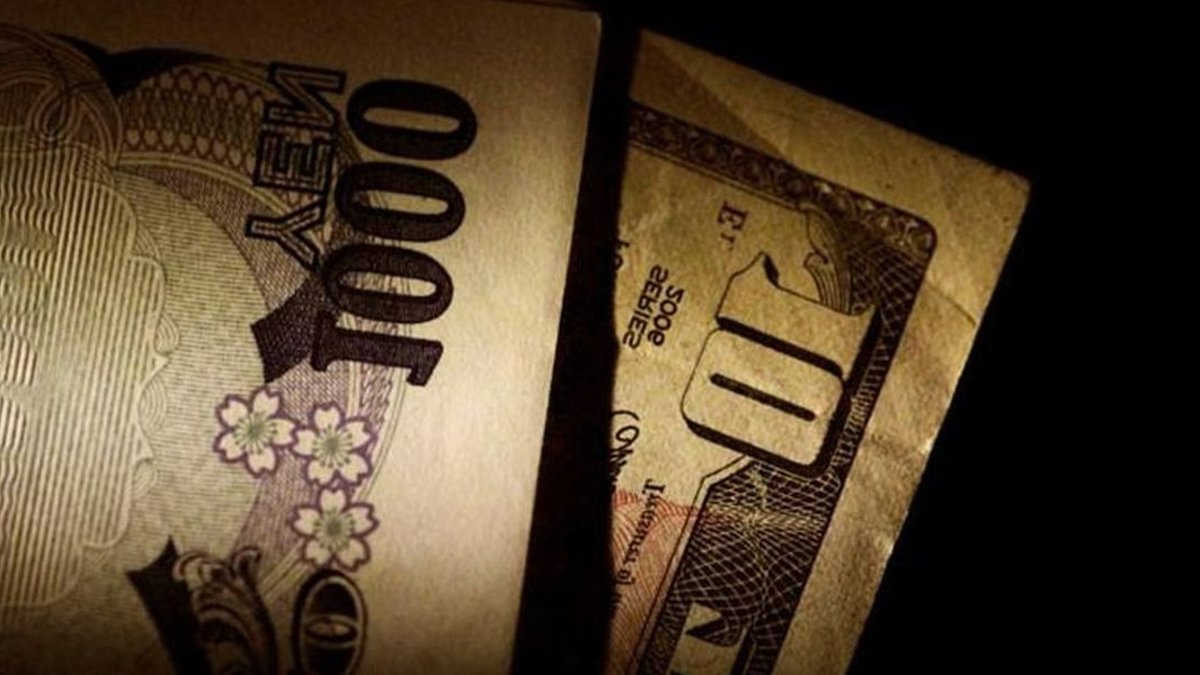
Japan and the United States confirmed a coordinated effort to buy yen on Friday, a move officials said aims to curb the currency’s slide toward 40‑year lows.
Markets watched the yen closely.
Details of the joint intervention
Japan’s finance ministry announced that the Treasury Department joined it in a yen‑buying operation on Friday, describing the action as a response to “excessive volatility and disorderly movements” in the currency. The ministry added that the two governments will not hesitate to take further coordinated steps if needed.
Finance Minister Satsuki Katayama told reporters that the authorities would act again if market conditions required it, while top currency diplomat Atsushi Mimura called the operation “the culmination of Japan’s alliance with the United States.”
Related: 1MDB trial: Najib accused of $5.6 billion misappropriation
U.S. Treasury Secretary Scott Bessent confirmed the joint effort in a separate statement on X, saying Washington “will not hesitate to participate in further joint intervention.” He also praised Japan’s “decisive market and monetary steps” to address what he called a “substantial undervaluation of the yen.”
The yen rallied more than 1 % after the announcement, trading at about 155.20 per dollar, its strongest level since early May and well above the recent 40‑year low near 164.
Market reaction and policy implications
Two‑year Japanese government bond yields briefly rose to 1.545 %, the highest level since 1995, as traders priced in the chance of an earlier than expected rate hike by the Bank of Japan (BOJ). The BOJ had kept rates steady the week before but signaled it could raise them at its September meeting.
Analysts note that the joint move sends a clear signal to markets that both governments are prepared to back the yen and Japanese bonds, reducing the risk of spillovers that could push U.S. Treasury yields higher. Naomi Muguruma, chief bond strategist at Mitsubishi UFJ Morgan Stanley Securities, said the comments “must be music to the ears of hawks within the BOJ.”
Related: Pound slips to 1.3387 ahead of Fed, BoE
From a practical standpoint, the intervention may give households a brief reprieve from rising import prices that have been feeding broader inflation. If the yen stabilizes, consumers could see a modest easing of cost pressures on everyday goods, though the effect is likely temporary without deeper policy shifts.
Before Friday’s joint action, Japan may have sold as much as $58.97 billion to buy yen in New York markets on Thursday, according to BOJ data. The finance ministry’s X post on Saturday hinted at a “broad range of tools” to address market liquidity, including access to the Federal Reserve’s repurchase facility, which provides temporary dollar liquidity.
President Donald Trump earlier said the United States was helping Japan “prop up the yen as a sign of friendship and to help the world economy.” The statement aligns with the broader strategic partnership the two countries maintain in Asia.
While the joint intervention marks the first coordinated effort since the 2011 earthquake‑driven action, it also highlights a renewed willingness to act quickly. The market remains alert, and further moves—whether additional yen purchases or adjustments to monetary policy—could follow as the BOJ assesses its next steps.


